API discoveries
Comparison of Audexum, BRAINIALL, Cloudmersive, and DeepAI APIs
This comparison examines the four machine‑learning APIs captured in the sample—Audexum, BRAINIALL, Cloudmersive, and DeepAI—using only the supplied description, authentication method, and observation dates. It outlines their reported purposes, highlights concrete differences, notes limitations evident from the data, and suggests next steps for evaluation.
AltAPIs Editorial · AI-assisted · automatically published after software checks; not human-reviewed
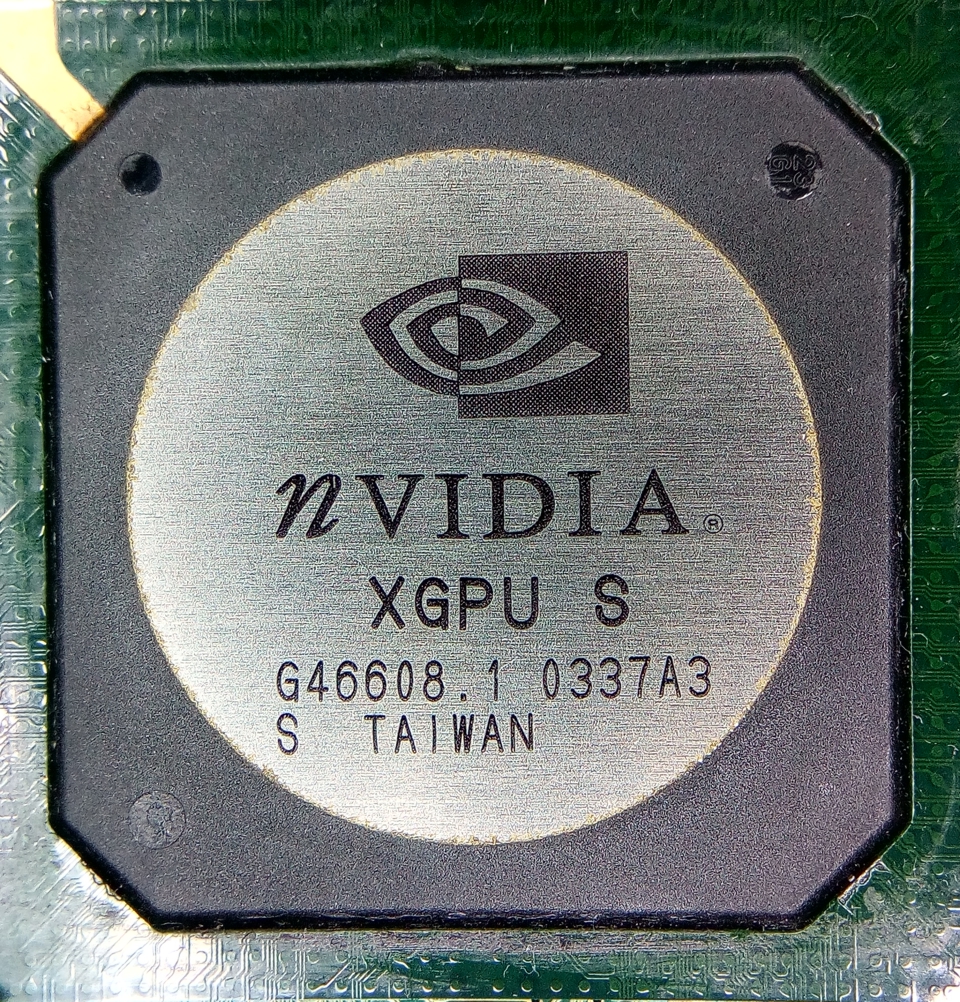
Xbox GPU. Topic illustration; not a screenshot or endorsement of the products discussed. File:Xbox GPU.jpg by A7N8X · CC BY-SA 4.0. Wikimedia thumbnail resize only; image remains under its original license.

Reported Purposes and Core Features
Audexum is described as providing speech‑to‑text in 25 languages and text‑to‑speech with 43 voices in 32 languages. BRAINIALL focuses on PT‑BR and Spanish audio transcription with diarization and output in SRT or VTT formats. Cloudmersive offers image captioning, face recognition, and NSFW classification. DeepAI is described as providing AI‑powered APIs for text generation, image processing, and more. All four services require an API key for authentication and were last observed on 2026‑09‑27.
Speech‑to‑Text / Transcription Offerings
Audexum claims broader language coverage for speech‑to‑text (25 languages) and also includes text‑to‑speech capabilities with 43 voices across 32 languages. BRAINIALL is narrower, targeting only Portuguese (Brazil) and Spanish audio transcription, but adds speaker diarization and the ability to produce subtitle files (SRT/VTT). Both rely on API key authentication and were observed on the same date, but the supplied records do not detail specific models, accuracy metrics, or supported audio formats.
Image Recognition and Processing Offerings
Cloudmersive’s description lists three distinct functions: image captioning, face recognition, and NSFW classification. DeepAI’s description is more general, citing text generation and image processing without enumerating particular tasks. Both services use API key authentication and share the same observation timestamp. The records do not provide information on supported image formats, model architectures, or rate limits for either service.
Limitations Evident from the Captured Data
The supplied records give only high‑level purpose statements, authentication method, and observation dates. They lack specifics on pricing, usage quotas, latency, language dialect coverage beyond the broad counts, model versions, output formats beyond those mentioned, compliance certifications, or security details. Consequently, any assessment of performance, reliability, or suitability for production use would be speculative without additional data from the providers’ documentation or direct testing.
Suggested Next Evaluation Steps
To move beyond the high‑level overview, a reviewer should consult each provider’s official documentation to obtain detailed API reference guides, request and response schemas, authentication workflows, rate‑limit policies, and supported language or format lists. Following documentation review, practical steps include registering for API keys, making test requests for representative inputs (e.g., audio clips in the claimed languages, sample images), measuring response times and error rates, and comparing the results against the stated capabilities. These actions would clarify any gaps between the brief descriptions and actual service behavior.
Sources
Audexum: https://audexum.com/docs BRAINIALL: https://github.com/fasuizu-br/brainiall-transcription-skill Cloudmersive: https://www.cloudmersive.com/image-recognition-and-processing-api DeepAI: https://deepai.org/ https://audexum.com/docs https://github.com/fasuizu-br/brainiall-transcription-skill https://www.cloudmersive.com/image-recognition-and-processing-api https://deepai.org/