API discoveries
Comparison of Bing Maps, bng2latlong, Cartes.io, and Cep.la Geocoding Services
A side‑by‑side look at four geocoding APIs captured on 2026-09-28, covering their stated purposes, authentication requirements, geographic focus, and practical considerations for further evaluation.
AltAPIs Editorial · AI-assisted · automatically published after software checks; not human-reviewed
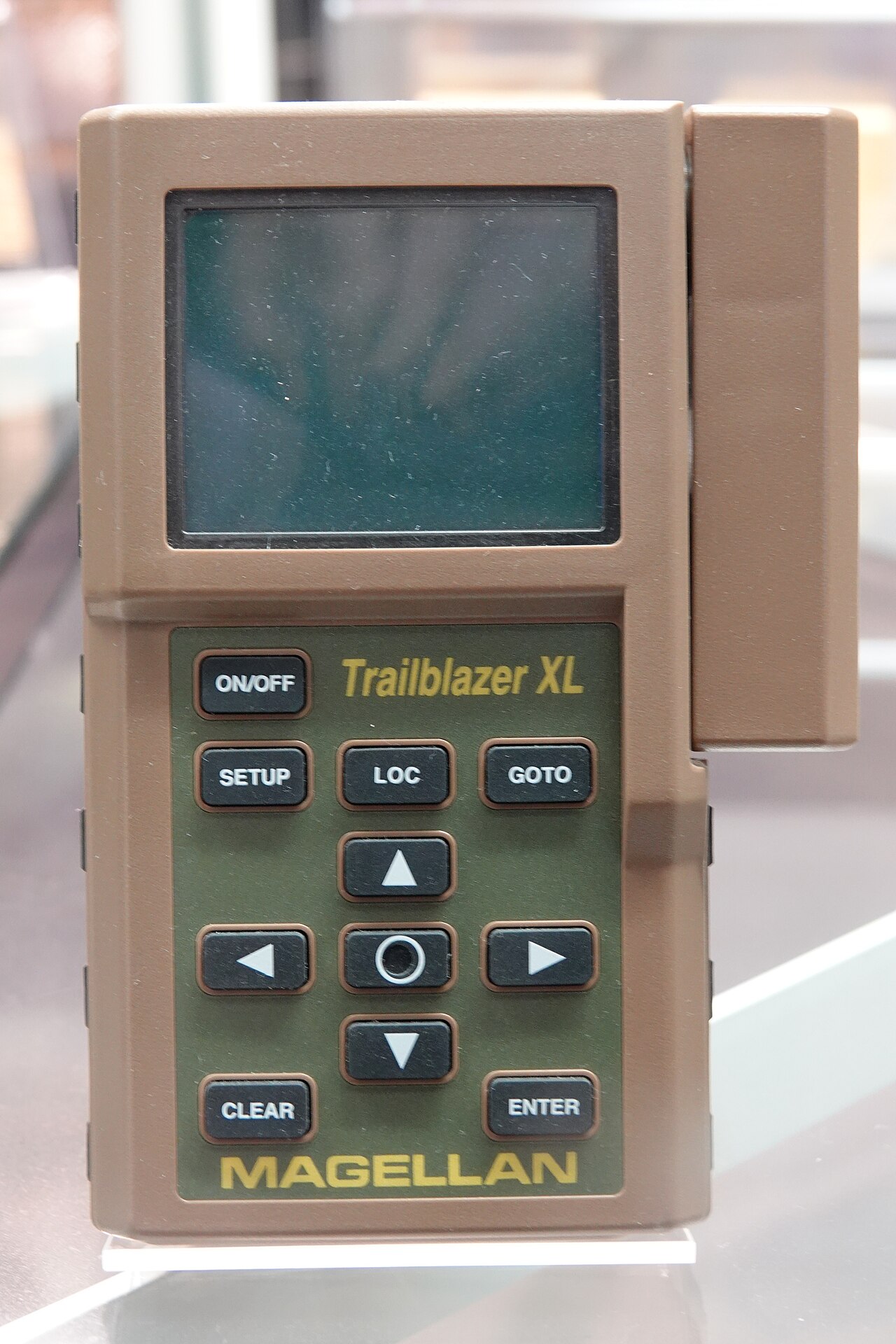
Magellan Trailblazer XL GPS Handheld Receiver. Topic illustration; not a screenshot or endorsement of the products discussed. File:Magellan Trailblazer XL GPS Handheld Receiver.jpg by Sanjay Acharya · CC BY-SA 4.0. Wikimedia thumbnail resize only; image remains under its original license.

Bing Maps: Purpose and Scope
Bing Maps is listed as a Geocoding service that lets users create and customize digital maps based on Bing Maps data. The entry shows it requires an API key for authentication, indicating a managed, commercial offering from Microsoft. It was first seen in the source on 2026-09-14 and most recently observed on 2026-09-28. The associated URL points to the Microsoft Maps landing page, which serves as the primary reference for the service’s general purpose and access method.
bng2latlong: Purpose and Scope
bng2latlong is described as a Geocoding tool that converts British OSGB36 easting and northing coordinates (British National Grid) to WGS84 latitude and longitude. The record shows no authentication is required, suggesting an open utility for UK‑specific transformations. It was first captured on 2026-09-14 and last observed on 2026-09-28, with its URL directing to the getthedata.com page that hosts the conversion tool.
Cartes.io: Purpose and Scope
Cartes.io appears in the Geocoding category with the purpose of enabling users to create maps and markers for arbitrary subjects. The entry specifies no authentication is needed, implying an openly accessible mapping interface. It was first seen on 2026-09-14 and observed again on 2026-09-28, and its source URL points to the Cartes.io API wiki on GitHub, which outlines the basic mapping capabilities.
Cep.la: Purpose and Scope
Cep.la is recorded as a Geocoding service offering a Brazil‑focused RESTful API for retrieving information about streets, zip codes, neighborhoods, cities, and states. The service operates without authentication, making it freely usable for Brazilian address lookups. It was first seen on 2026-09-14 and last observed on 2026-09-28, with its URL leading to the cep.la domain that hosts the API endpoint.
Concrete Differences and Limitations
Comparing the four services highlights clear differences in geographic scope, authentication requirements, and feature emphasis. Bing Maps provides worldwide map data but requires an API key, which may involve usage limits or costs typical of commercial platforms. bng2latlong is confined to UK coordinate conversion and does not supply broader mapping functions such as tile serving or routing. Cartes.io offers generic map creation with marker support yet lacks explicit geocoding or address lookup capabilities, focusing instead on visual overlay. Cep.la delivers detailed Brazilian address data but does not provide global map tiles, routing, or non‑Brazilian geographic information. These scoped distinctions mean each tool addresses a particular niche rather than serving as a direct substitute for the others.
Suggested Next Evaluation Steps
For a practical evaluation, a developer should first clarify the needed geographic coverage—global, UK‑only, Brazil‑only, or arbitrary marker mapping—and then test each service’s access pattern. With Bing Maps, obtaining an API key and exercising a simple request (e.g., fetching a static map tile) would reveal key handling and rate‑limit behavior. The no‑auth services can be invoked directly via their URLs to verify response format and speed. Finally, comparing the structure of returned data, latency observations, and any usage notes presented on the observed landing pages or wiki would help determine which tool aligns with the intended use case before deeper integration work.
Sources
Bing Maps: https://www.microsoft.com/maps/ bng2latlong: https://www.getthedata.com/bng2latlong Cartes.io: https://github.com/M-Media-Group/Cartes.io/wiki/API Cep.la: http://cep.la/ https://www.microsoft.com/maps/ https://www.getthedata.com/bng2latlong https://github.com/M-Media-Group/Cartes.io/wiki/API http://cep.la/