API discoveries
Comparison of Bittrex, BlazePhoenix, Block, and Block Lottos APIs
A practical comparison of the four captured cryptocurrency APIs, focusing on their reported purposes, authentication models, functional focus, observable limitations, and suggested next steps for evaluation.
AltAPIs Editorial · AI-assisted · automatically published after software checks; not human-reviewed
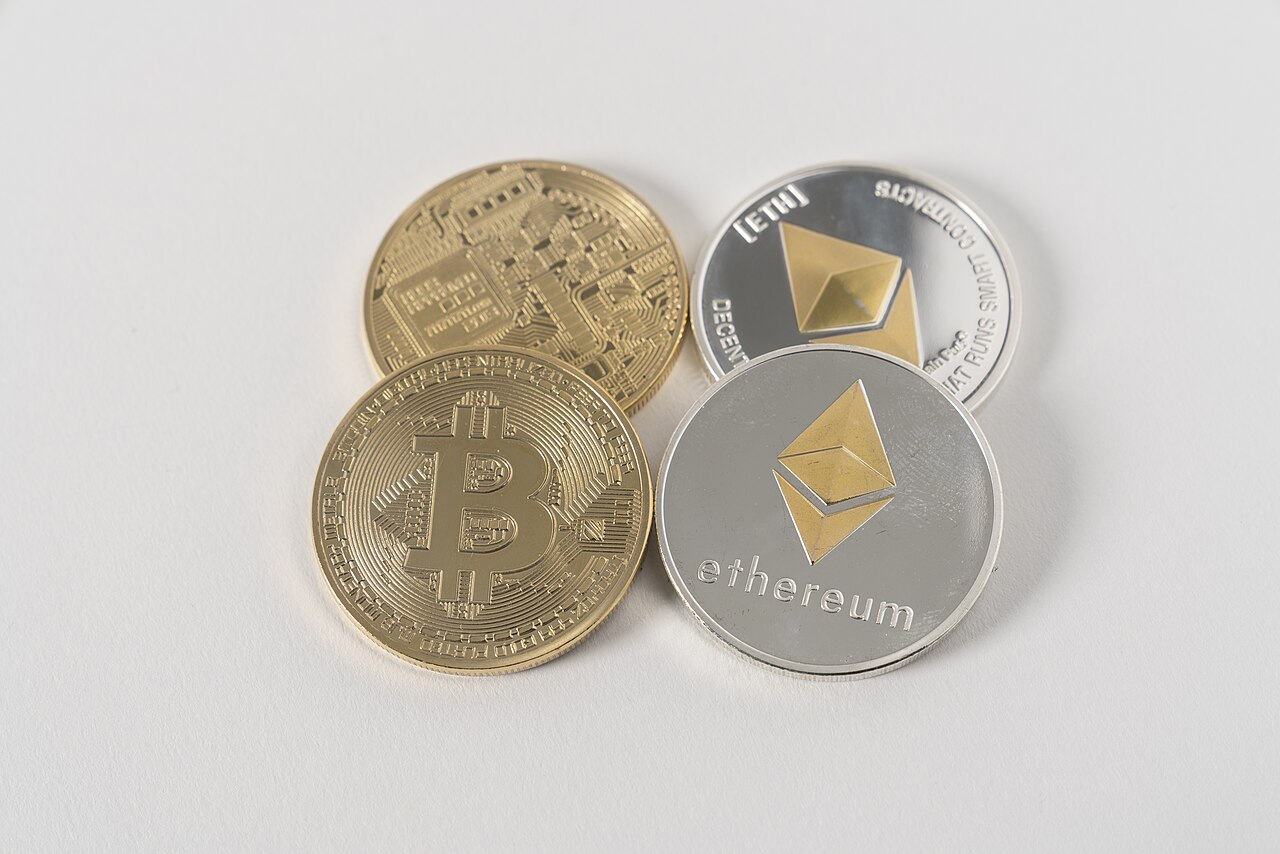
Cryptocurrency (38747838010). Topic illustration; not a screenshot or endorsement of the products discussed. File:Cryptocurrency (38747838010).jpg by Stock Catalog · CC BY 2.0. Wikimedia thumbnail resize only; image remains under its original license.
.jpg)
Reported Purposes
Bittrex is described as a 'Next Generation Crypto Trading Platform' (https://bittrex.github.io/api/v3). BlazePhoenix provides 'On-chain DEX aggregator quotes and route execution data' (https://blazephoenix.xyz/api). Block offers 'Bitcoin Payment, Wallet & Transaction Data' (https://block.io/docs/basic). Block Lottos supplies 'On-chain lottery, draw history, jackpot and advertising endpoints' (https://blocklottos.com/openapi.json). These descriptions indicate distinct service areas: trading exchange, decentralized exchange aggregation, Bitcoin wallet/payments, and lottery gaming.
Authentication Models
Bittrex and Block both require an API key for authentication (https://bittrex.github.io/api/v3, https://block.io/docs/basic). In contrast, BlazePhoenix and Block Lottos specify 'No auth' (https://blazephoenix.xyz/api, https://blocklottos.com/openapi.json). This difference implies that the former two may enforce access control and usage tracking via keys, while the latter two are openly accessible without credential provisioning.
Functional Focus and Endpoint Areas
The APIs target different functional niches within cryptocurrency ecosystems. Bittrex's emphasis on trading suggests endpoints for order placement, market data, and account management (https://bittrex.github.io/api/v3). BlazePhoenix's focus on DEX aggregation points to quote retrieval and route execution across decentralized exchanges (https://blazephoenix.xyz/api). Block's wallet and payment orientation implies address generation, transaction creation, and balance querying (https://block.io/docs/basic). Block Lottos centers on lottery mechanics, offering draw history, jackpot information, and possibly ticket purchase or advertising interfaces (https://blocklottos.com/openapi.json).
Observable Limitations from Captured Data
The available records provide only high‑level descriptions, authentication notes, and URLs, leaving several aspects undocumented. No information on rate limits, versioning, error formats, or supported HTTP methods is present for any API (all four URLs). Consequently, we cannot assess scalability, reliability, or compatibility from the captured sample alone. Additionally, the lack of detailed endpoint listings prevents direct comparison of feature coverage or data granularity.
Suggested Next Evaluation Steps
To move beyond the current snapshot, reviewers should retrieve the full OpenAPI/Swagger specifications or developer documentation linked at each base URL to examine endpoint definitions, request/response schemas, authentication flows, and any usage policies. Practical testing with sample requests (respecting rate limits and authentication requirements) would verify response correctness and performance. Comparing the returned data schemas against the stated purposes would clarify whether each API delivers the functionality implied by its description.
Sources
Bittrex: https://bittrex.github.io/api/v3 BlazePhoenix: https://blazephoenix.xyz/api Block: https://block.io/docs/basic Block Lottos: https://blocklottos.com/openapi.json https://bittrex.github.io/api/v3 https://blazephoenix.xyz/api https://block.io/docs/basic https://blocklottos.com/openapi.json