GitHub repositories
Comparison of Learn OpenCV, PyTorch Handbook, FinGPT, and Machine Learning for Trading
This note compares four GitHub repositories captured on 2026-10-01, describing their stated purposes, formats, licenses, and observed activity, and outlines limitations and next evaluation steps.
AltAPIs Editorial · AI-assisted · automatically published after software checks; not human-reviewed
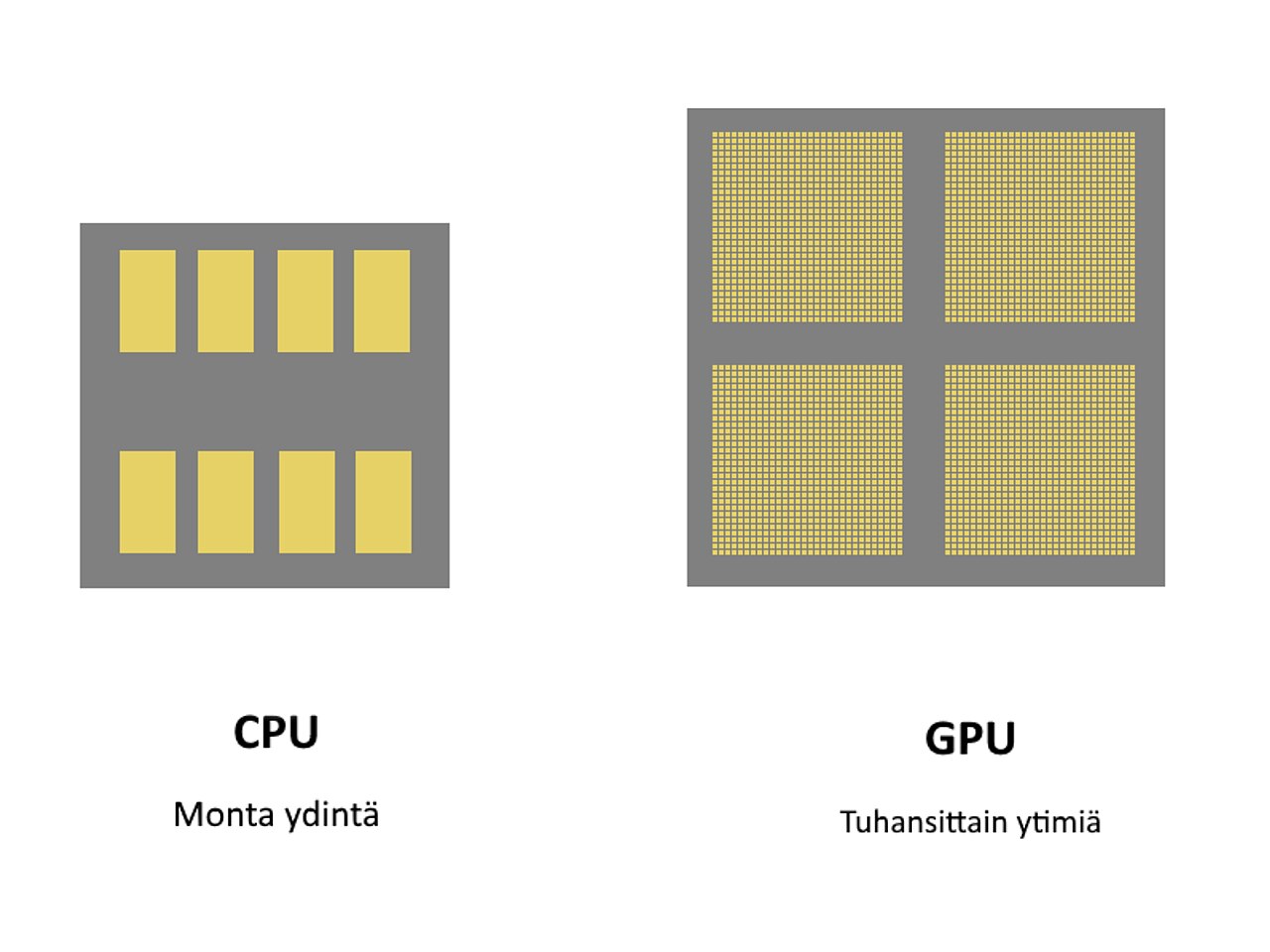
TestiCpuvsGPU. Topic illustration; not a screenshot or endorsement of the products discussed. File:TestiCpuvsGPU.jpg by Doyagoz · CC BY-SA 4.0. Wikimedia thumbnail resize only; image remains under its original license.

Stated Purposes
Learn OpenCV provides C++ and Python examples for learning OpenCV (https://github.com/spmallick/learnopencv). PyTorch Handbook is an open‑source book in Chinese aimed at helping newcomers quickly start deep‑learning development and research with PyTorch, with all tutorials tested to run successfully (https://github.com/zergtant/pytorch-handbook). FinGPT releases open‑source financial large language models and makes the trained model available on HuggingFace (https://github.com/AI4Finance-Foundation/FinGPT). Machine Learning for Trading supplies code from the third edition of the textbook, covering data sourcing to live execution (https://github.com/stefan-jansen/machine-learning-for-trading).
Format and Language
All four repositories use Jupyter Notebook as the primary language according to the GitHub metadata (https://github.com/spmallick/learnopencv, https://github.com/zergtant/pytorch-handbook, https://github.com/AI4Finance-Foundation/FinGPT, https://github.com/stefan-jansen/machine-learning-for-trading). This indicates that the material is presented as executable notebooks rather than plain scripts or compiled binaries.
License Information
Learn OpenCV, PyTorch Handbook, and Machine Learning for Trading do not list a license in the supplied metadata (https://github.com/spmallick/learnopencv, https://github.com/zergtant/pytorch-handbook, https://github.com/stefan-jansen/machine-learning-for-trading). FinGPT explicitly states an MIT license (https://github.com/AI4Finance-Foundation/FinGPT). The absence of a license value for the other three projects means reuse permissions cannot be inferred from the captured data.
Observed Activity (Stars/Forks)
As of the observation timestamp 2026-10-01T12:06:27.165Z, Learn OpenCV had 23,177 stars and 11,660 forks (https://github.com/spmallick/learnopencv). PyTorch Handbook recorded 21,723 stars and 5,396 forks (https://github.com/zergtant/pytorch-handbook). FinGPT showed 21,307 stars and 3,024 forks (https://github.com/AI4Finance-Foundation/FinGPT). Machine Learning for Trading had 21,181 stars and 5,666 forks (https://github.com/stefan-jansen/machine-learning-for-trading). These numbers reflect captured interest but do not indicate adoption, contribution levels, or quality.
Limitations and Next Evaluation Steps
The descriptions reveal that Learn OpenCV and PyTorch Handbook are educational tutorials, FinGPT focuses on releasing a trained financial language model, and Machine Learning for Trading provides textbook‑aligned code. None of the entries include benchmark results, performance metrics, security assessments, or detailed usage guidelines. To evaluate suitability, a reviewer would need to inspect notebook execution, verify license files directly, test model inference for FinGPT, and assess the completeness of trading strategies in the Machine Learning for Trading repository. No claims about quality or performance can be drawn from the available metadata.
Sources
learnopencv: https://github.com/spmallick/learnopencv pytorch-handbook: https://github.com/zergtant/pytorch-handbook FinGPT: https://github.com/AI4Finance-Foundation/FinGPT machine-learning-for-trading: https://github.com/stefan-jansen/machine-learning-for-trading https://github.com/spmallick/learnopencv https://github.com/zergtant/pytorch-handbook https://github.com/AI4Finance-Foundation/FinGPT https://github.com/stefan-jansen/machine-learning-for-trading